What if You Were Judged on the Basis of your Coping Mechanisms Instead of your Character?

I had a family member ask me this weekend why I am such a vocal advocate for people with obesity when I personally don’t have a ‘weight problem’.

My response is to ask this: Do you have a coping mechanism? I would argue that we all do, whether in response to normal life stressors or true traumas.

What if one of your coping mechanisms could be easily seen and noticed before anyone even got to know you, even before you spoke one word? What if people felt justified not only on commenting on it, but also judged you based on the result of it?

My coping mechanism(s) aren’t easily seen, but believe me they are there. And although I am working on some of the less healthy ones, I realize their importance. They are protective mechanisms. They started in childhood for various reasons and shedding them is incredibly difficult. One of them is strenuous exercise, and because of this I remain relatively lean. 

Does that make me a better person than someone who uses food as comfort or as a numbing agent?

I can’t imagine if someone thought that I was lazy, dirty, unmotivated and stupid before even meeting me, but people with obesity can. Research supports that these are the characteristics attributed to people in high BMI categories based on the size of their bodies.

The reasons for overeating are many, and I won’t list them here, but to ignore that there is a psychological component to excess weight and just focus on food and exercise is not only simplistic, it’s negligent.

My passion for minimizing weight bias (particularly in clinical settings) is really based on us all seeing each other as humans who are doing the best that we can in stressful situations.

So, every time you use one of your coping mechanisms, such as having a beer or glass of wine at the end of a stressful day, imagine that drink altered your looks, maybe turned your skin purple, and someone judged you based on this change. Then, use this lens when encountering people of all different shapes and sizes.

By doing so, we might be able to make a dent in minimizing one of the last, culturally-acceptable biases and stop hurting people based on their appearance.

Originally posted on LinkedIn https://www.linkedin.com/pulse/what-you-were-judged-basis-your-coping-mechanisms-instead-moore/.

situs gacor

togel

togel

situs gacor

situs gacor

situs gacor

kampungbet

situs gacor

slot gacor

situs toto

slot gacor hari ini

toto

situs slot

situs toto

link gacor/a>

kampungbet

kampungbet

toto togel toto togel situs gacor situs togel toto togel toto togel toto togel link gacor toto togel link gacor togel online slot gacor link gacor situs gacor toto togel kampungbet toto togel link gacor toto togel situs togel situs togel toto togel link gacor slot gacor slot gacor situs togel togel online kampungbet situs gacor toto togel slot gacor link gacor situs hk situs hk situs toto slot gacor link gacor situs toto situs togel toto link gacor slot gacor link gacor situs gacor toto togel situs toto toto togel toto togel toto togel toto togel toto togel kampungbet kampungbet kampungbet situs gacor situs gacor toto togel kampungbet kampungbet situs gacor kampungbet kampungbet kampungbet kampungbet kampungbet kampungbet kampungbet kampungbet kampungbet kampungbet kampungbet kampungbet kampungbet kampungbet

Glee(ful)

An activity that started as a way for me to spend time with my son became a valuable lesson on the care and appreciation of weight-diverse clients.

First, a little background. My son is entering high school next year. He is sweet, thoughtful and funny. He is also painfully aware that he is smaller than most boys his age, which limits his involvement in some sports and over time, has eroded his self-confidence. Music has been his lifeline, he started playing guitar about three years ago, and has since become an accomplished musician. When choosing his electives for his freshman year, though, he felt conflicted about signing up for Musical Theater. Obviously, he loved music, but he wasn’t sure if any of his friends were joining, or if, by joining, he would be perceived as ‘uncool’. I had no idea what Musical Theater was like at the high school or how it was perceived by other students. Although I don’t advocate that any of my kids try to be ‘cool’, I didn’t want him to have to navigate a new school with the added layer of being part of a group that potentially made him more self-conscious. We decided that since it would be difficult for him to get first-hand experience, we could give him a ‘virtual tour’ of being part of a performance group by watching the TV series Glee.

My son in his element

I was hooked on Glee as soon as it aired in 2009.  Not only were the performances amazing, but I empathized with the perfectly imperfect characters as they grappled with the normal challenges of being a teenager, such as their sexuality and concerns about popularity. I also looked forward to seeing how the talented writers would handle deeper issues such as discrimination, teen pregnancy and gender identity. I loved that they used the technique of internal monologue (where the character voices his or her thoughts) so that we are privy to their unfiltered internal processes as they encounter and navigate these challenges, providing evidence that our inner journey is not always reflected in our outward appearance or actions.

Some characters, like some of my clients, consistently deal with other people’s aversion to anyone who looks different. One of the female leads, Mercedes, who is overweight, decides to join the cheerleading team. Not just any cheerleading team, but one that has won national championships. The training is rigorous and the cheerleaders are known for their perfect hair and bodies. It is led by an unabashedly rude, cynical and biased coach who holds weigh-ins and suggests drinks that cause gastric disturbances in order to lose weight. Mercedes soon becomes a target for her. She ridicules Mercedes for wearing pants instead of a skirt and Mercedes first defends herself, then falls prey to the seductive allure of being part of a popular group. She decides to try to quickly lose weight.

She diets until she faints, and still manages to gain two pounds (a very common effect of food deprivation). She feels physically and emotionally terrible. At the weigh-in, she is shamed. Then, an unlikely ally, the snobby and popular former head cheerleader, visits her in the nurse’s office and reveals that she too struggled with her weight and the desire to be popular. She was kicked off the squad once the coach discovered that she is pregnant and, to her surprise, found solace in the Glee club.

Once pregnant, she realized the importance of eating for nourishment, and she ate more food, but it was much healthier. Not only did she feel better, but she was proud of how she was caring for her baby. She told Mercedes that she regretted not giving her body the same care and attention that she now gives to her unborn baby. This resonated with Mercedes, and prompted her to sing a heartfelt rendition of Christina Aguilera’s Beautiful during a school pep rally as both a symbol of self-acceptance and a refusal to suffer in order to look a certain way.

“Owning our story and loving ourselves through that process is the bravest thing that we will ever do.”

Dr. Brene Brown

By re-watching Glee, I came to recognize the parallels between the characters and my clients who struggle with weight. Here are 5 ways that some of these ‘Glee Principles’ have the potential to translate into improved patient care:

  1. We all, no matter what age, struggle to find acceptable outlets for strong emotions and/or stress. Anger, pain and shame don’t go away just because we get older. They get stored in the body, causing anxiety or depression or they get expressed without control, maybe leading to aggression or self-harm. We can make a choice to numb ourselves by using the usual, destructive coping mechanisms (smoking, drugs and alcohol) or we can find an appropriate outlet for them by incorporating empowering tools, such as journaling, talking to a trusted friend or teacher and, for the Glee kids, singing.
  2. We need to remind our clients that we all have something inside of us that we can connect to in times of stress. The Glee Club kids use singing. Obviously, not all of us can sing, but there are other internal strategies that work well, such as breathwork. Identifying and cultivating their intrinsic coping mechanisms can provide strength and balance during a journey when they may feel short in both.  
  3. In healthcare settings, we treat people of all shapes and sizes, socioeconomic levels, and at different places on their personal health journeys. Like many adults, teenagers also use  food as a coping mechanism. We need to care for our clients as they are now and encourage them to love themselves as is. It is not helpful to wait until something happens to be our best self. We should encourage them to treat themselves with self-compassion and kindness now, not just once they are pregnant or once they lose the weight. Learning to love their ‘now’, instead of waiting until we reach a certain goal (that might never be met) is both freeing and empowering.
  4. A close, caring community can be a potent anti-depressent. There is a ton of research supporting the benefits of belonging to a group. One of the reasons that alcoholics anonymous works for many is that the meetings provide a sense of community and the accountability needed when making a big change. It’s incredibly validating to be with people who allow you to be yourself without reservation. Assist your weight-diverse patients in finding a reputable group, maybe a monitored social media site or, better yet, create an in-person or online group for them.
  5. Channel Mercedes. Support your patients in not compromising their values for fear of repercussions. If they don’t know their core values, there are many websites to help identify them. Once identified, remind them to make sure that everything they do, every action they take, is aligned with these values.  

Unequivocally, many of our patients face challenges, some feel more surmountable than others. As health care providers, we can embody the strength that they need to support them on their journeys and help them identify empowering coping strategies. Weight-diverse patients are often criticized and disparaged for their appearance and, by not defending them, we are being inadvertently complicit in encouraging weight bias and discriminating against someone based on their coping mechanism.

We can do better.

situs gacor

togel

togel

situs gacor

situs gacor

situs gacor

kampungbet

situs gacor

slot gacor

situs toto

slot gacor hari ini

toto

situs slot

situs toto

link gacor/a>

kampungbet

kampungbet

toto togel toto togel situs gacor situs togel toto togel toto togel toto togel link gacor toto togel link gacor togel online slot gacor link gacor situs gacor toto togel kampungbet toto togel link gacor toto togel situs togel situs togel toto togel link gacor slot gacor slot gacor situs togel togel online kampungbet situs gacor toto togel slot gacor link gacor situs hk situs hk situs toto slot gacor link gacor situs toto situs togel toto link gacor slot gacor link gacor situs gacor toto togel situs toto toto togel toto togel toto togel toto togel toto togel kampungbet kampungbet kampungbet situs gacor situs gacor toto togel kampungbet kampungbet situs gacor kampungbet kampungbet kampungbet kampungbet kampungbet kampungbet kampungbet kampungbet kampungbet kampungbet kampungbet kampungbet kampungbet kampungbet

Imposter

A little over a year ago, a professor at a prestigious nursing school reached out to me via my website asking if I’d be interested in writing the infertility chapter in a women’s health nursing textbook. I was flattered and realized it would be an amazing opportunity.

I was also a little nervous.

I weighed the risks and benefits. Writing a chapter in a textbook would be an amazing accomplishment, ensuring that I am up to date with my knowledge of reproductive endocrinology and infertility (REI) while also lending credibility to me as an ‘expert’ in my field. Also, the timing was good. I recently broke my foot and was frustrated that I was unable to run or exercise, so tackling a project like this would be a good distraction.

It would be a big undertaking, though. I’d written articles for journals, blogs, and websites, but the last time I contributed to a book was when I wrote a chapter of questions for a study guide. I was hesitant to re-enter the academic arena, as I became disenchanted with writing for academic publications after enduring an arduous editing process for an article that I wrote on polycystic ovarian syndrome (PCOS).

Did I want to write a whole chapter?

After making a pro-con list and receiving advice from a few trusted friends, I ultimately went with my gut and emailed the editor accepting the assignment.

I met my deadlines and was even ahead of schedule to send in my first draft, but as I prepared to email it, I had a mini panic attack: What if any of my content is out of date? What if someone used my information and the resulting patient care was subpar? Who did I think I was, writing a chapter that was going to be used in prestigious nursing schools?

Hard at work while elevating my foot

I spun into a full-blown shame spiral.  This wasn’t the first time I felt like I didn’t earn my spot, or that I was a fraud, a phenomenon that I knew well and later realized was called ‘Imposter Syndrome’.

My first recollection of it was when I was a teenager. I started piano lessons when I was 6, and every year there was a recital. Each student would climb up on a big stage and play his/her memorized piece to the large group of friends and family members assembled there. The recital, like many performances, started with basic pieces and ended with more complex, challenging ones. The message was that the last few performances were worth waiting for. At 16 years old (after 10 years of lessons) I made it to the next-to-last-spot for the recital that year (the ‘closer’ was a 12-year-old prodigy who, I reassured myself, was probably not as well-rounded as me).

When my name was announced, I, in all of my adolescent awkwardness, took my spot at the piano, sweating in an uncomfortable dress and hobbling on high heels that my mom forced me to wear, and sat on the bench. I placed my hands over the keys and my feet over the pedals, took a deep breath and…froze. Froze like in a comedy movie or a nightmare. My thinking brain sounded the alarm: What the hell was I doing? I didn’t belong there! I had been faking it all along! Wait until everyone realizes that I really can’t play.

Somehow, through sheer force of will, I finished, but that moment of panic and self-doubt led to the end of my music lessons and performances. In fact, I didn’t play the piano again until I was well into my 40’s.

The day that the first draft was due brought me back to that stage, and the accomplished adult that I now was regressed to that awkward adolescent girl in the starchy dress and ill-fitting pumps with performance anxiety.

Who did I think I was?

Was my work worth waiting for? How could I allow myself to be vulnerable like this?

Vulnerability as a positive quality is getting a lot of well-deserved traction in the media and academic circles, largely due to the work of Dr. Brene Brown who described it as ‘… not winning or losing; It’s having the courage to show up and be seen when we have no control over the outcome. Vulnerability is not weakness, it’s our greatest measure of courage’.  I personally feel so strongly about the value of vulnerability as a clinical provider that I discuss it in almost all my learning modules and presentations.

I now had an important decision to make: Will I have the courage to practice what I preach?

I heard once that being brave is not accomplished solely in the form grand gestures or sentinel events. It is grown and cultivated in small moments like this, and something in me changed that day. I decided, at that moment, that I was no longer going to be ruled by shame nor defined by my imperfections. I resolved, at that moment, to allow myself to be vulnerable and put my work out there, even if it gets criticized. I came to the conclusion that striving to be perfect no longer serves me.

With this in mind, I hit ‘send’.

Ultimately, the book was published, and a copy was sent to me. I’d be lying if I didn’t admit that I was a little giddy receiving it and seeing my name in print. Although I can’t count the number of hours I spent writing and revising it, I don’t regret the time spent.  I crafted and molded it until it had the right tone. I researched the shit out of it until I was confident that even if I missed something, I did the best that I could. It became something of which I was proud, and I felt justified being the person who was meant to write it.

‘It is impossible to have lived without failing at something, unless you live so cautiously that you might as well have not lived at all-In which case you fail by default.’

J.K. Rowling

I realize that, like the textbook, our lives have chapters. I am done with the one where I doubt myself and my abilities.

Maybe the accomplishment, in this case, is not in writing a chapter, but in closing one.

situs gacor

togel

togel

situs gacor

situs gacor

situs gacor

kampungbet

situs gacor

slot gacor

situs toto

slot gacor hari ini

toto

situs slot

situs toto

link gacor/a>

kampungbet

kampungbet
kampungbet

kampungbet

situs gacor

This Isn’t Me

It’s amazing how a single image can generate two polarized feelings. This one triggers, in me, both intense joy and unbelievable loss. It was taken at a conference about two months after I found out I was pregnant.

I remember my husband and I seeing the heartbeat on ultrasound, the only appointment that he was able to make, and us laughing and conspiring about how I was going to keep my pregnancy a secret at the conference. I worked in women’s health, was well-versed in pregnancy loss and, as a result, we decided that we wouldn’t tell anyone until we were out of the first trimester. I had bought a new dress for the speaker dinner (the one in this picture) and we laughed at the waste of money as I probably wasn’t going to fit into it by then. How was I going to explain why I wasn’t drinking without revealing that I was pregnant to a roomful of woman’s health specialists who can sniff out a pregnant woman a mile away?

Well, I was able to wear my new dress and drink my white wine because I lost the pregnancy.

On the day that I found out, I watched as my OB/GYN’s expression changed from happy curiosity to confusion and then despair as he futilely searched for the baby’s heartbeat at the ultrasound appointment that I had (idiotically) scheduled on my birthday. I almost felt worse for him than I felt for myself, when he had to tell me that the baby had stopped growing, the pregnancy was essentially lost, and then offered me medical or surgical ‘options’. I chose to have a D & C because my boss at the infertility office where I worked had a planned vacation and was leaving for a week, a week in which I would help cover the office by performing ultrasounds on patients who were pregnant. Imagine that: Performing pregnancy ultrasounds on patients after having just experienced your own pregnancy loss.

I read once that being emotionally brave isn’t a gift or something that you born with, it’s something that you work toward in small increments.

I wanted to be ‘brave’ but I didn’t really know what that meant in this case. I know what NOT to say when someone has a loss, hell I teach nurses how to have difficult conversations with people as part of my nursing education business! But when it’s happening to you, particularly when you don’t have the time or space to grieve, you feel stuck. All of the knowledge that I had on how to handle grief became unraveled by the physical and emotional pain that a pregnancy loss can generate. I read once that being emotionally brave isn’t a gift or inherited trait, it’s something that you work toward in small increments. It’s forcing yourself out of your comfort zone and doing brave little things on a regular basis until the pit in your stomach lessons or subsides, until your breathing is less shallow or your throat less tight.

I made it through that week with the help of close friends and my husband. I had to suppress my grief, short-term, in order to function as a clinician in an office of patients who needed me, but the evenings that week were incredibly tough, as were the following months when unacknowledged grief would rear it’s ugly head in the form of an unkind word that I would say or my desire to stay in bed on a beautiful Spring day. Most people don’t understand the depth of a loss like this. My sweet boss came back and, upon finding out about my pregnancy loss and subsequent need to cover the office in his absence, asked “Was that tough for you?” Uh, yeah, and thinking only a dude would ask that?!?

Emotions are simply energy that is flowing through your body at that moment, and they can either pass through or get stuck.

Once time passed and somewhat tempered my feelings of loss and inadequacy, I was able to find a sliver of gratefulness as a result of this experience. I gained a true understanding of grief, and how you need to lean into it and go through it to get to the other side. Even though it seems like strong feelings can hurt you, they can’t. Emotions are simply energy that is flowing through your body at that moment, and they can either pass through or get stuck. How long they take to pass and their level of intensity can differ, but I knew I had to allow them because I didn’t want to be stuck.

I’m not sure why we live in a world where being stoic in the face of grief is defined as brave. Why is crying, when you are sad, bad? You can’t escape or postpone pain, it will find it’s way out, so better to let yourself feel what you are feeling in that moment and many moments to come. Emotional suppression is not only overrated, it’s harmful. I find the work by Dr. Brene Brown on shame and vulnerability so compelling and truly feel that being brave is allowing yourself to be vulnerable. Importantly for us, as caregivers, it’s asking for help and allowing ourselves to be supported, in whatever form that takes. I share this personal story as part of my own journey toward vulnerability and in the hope of providing some perspective on pregnancy loss for those who have had it or those who know someone who has.

situs gacor

togel

togel

situs gacor

situs gacor

situs gacor

kampungbet

situs gacor

slot gacor

situs toto

slot gacor hari ini

toto

situs slot

situs toto

link gacor/a>

kampungbet

kampungbet

kampungbet

kampungbet

situs gacor

Why didn’t I get pregnant with genetically normal embryos?

Phone call

As an infertility nurse practitioner, I am asked this question often, and it’s a valid one.

You did the injections. The monitoring appointments. The egg retrieval. You waited to hear how many eggs fertilized, how many embryos made it to blastocyst, and then (perhaps most anxiously of all) how many came back genetically normal.

You finally had one.

Your embryo was euploid, meaning preimplantation genetic testing for aneuploidy (PGT-A) found the expected number of chromosomes in the cells that were tested.

Then you transferred it.

And you didn’t get pregnant.

If this happened to you, one of the first questions you may have asked was:

How can a genetically normal embryo not work?

It is an incredibly reasonable question. And after everything it takes to get to an embryo transfer, hearing that your pregnancy test is negative can feel particularly cruel when you thought you had already overcome one of IVF’s biggest hurdles.

So let’s talk about what “genetically normal” really tells us and, just as importantly, what it doesn’t.

First, what does PGT-A actually tell us?

Humans typically have 46 chromosomes (23 pairs). When an embryo has the expected number of chromosomes, it is called euploid. An embryo with too many or too few chromosomes is called aneuploid.

Aneuploidy is incredibly important in human reproduction. Chromosomal abnormalities are a major reason embryos fail to develop normally and a leading cause of miscarriage. Most human aneuploidies originate from errors involving the egg, and the likelihood of these errors increases substantially with maternal age.

And this is where human reproduction gets a little humbling.

Making an egg is biologically complicated.

Female meiosis (the specialized form of cell division that ultimately allows an egg to contain the correct number of chromosomes) is unusually vulnerable to error. The chromosomes must line up, attach appropriately to the spindle, remain connected at exactly the right places, and then separate at exactly the right times. Age-related changes in chromosome function, behavior, and other cellular processes can make mistakes more likely.

PGT-A gives us an incredibly useful piece of information about the embryo’s chromosomes.

But here is the important part: Chromosome number is not the same thing as the entire biological potential of an embryo.

A euploid result tells us something very valuable, but it doesn’t tell us everything.

“Normal” doesn’t mean “guaranteed”

This may be one of the hardest concepts in fertility treatment.

When patients hear that an embryo is “normal,” it is understandable to hear: “This embryo should become a baby”, but a more accurate way to think about it might be: “This embryo has passed one very important checkpoint.”

Pregnancy still requires an extraordinary series of biological events to occur after transfer.

The embryo must continue developing. It must hatch (break out of its shell, called the zona pellucida). It must communicate with the endometrium. The uterine lining must be appropriately prepared. The embryo must attach and invade. The endometrium must transform to support it. A placenta must begin developing. Blood vessels, immune cells, hormones, and countless molecular signals must coordinate with one another.

In other words, implantation isn’t one event. It’s a conversation between the embryo and the uterus.

The embryo is more than its chromosomes. PGT-A focuses on chromosome number, but chromosomes are only one component of an extraordinarily complex living system.

An embryo must successfully regulate thousands of genes, produce proteins, generate energy, divide its cells, repair cellular damage, differentiate those cells into specialized tissues, and coordinate the development of the embryo and placenta. So, two embryos can both be classified as euploid and still not necessarily have identical developmental potential.

Think about it this way: PGT-A can tell us that the embryo has cleared an important hurdle on a long and complex journey, but there are still aspects of reproductive biology that our current clinical testing simply cannot measure completely.

And that distinction matters because it means a failed euploid embryo transfer does not necessarily mean something was “missed” or that something is fundamentally wrong with your body. Sometimes biology simply gives us an answer we cannot yet fully explain.

And then there is the uterus. For years, we talked about the uterine lining almost as though it were a comfortable bed waiting for an embryo to land.

We now know that description is far too simple.

During the second half of the menstrual cycle, cells within the endometrium undergo an extraordinary transformation that help create the environment necessary for implantation and placental development. And the endometrium isn’t just sitting there waiting. It appears to be actively communicating with the embryo.

Researchers have described the endometrium as functioning, in part, like a biological sensor, responding differently to individual embryos and potentially supporting continued development in some circumstances while facilitating early rejection in others.

That changes the way we think about implantation.

It isn’t simply: Good embryo + thick lining = pregnancy. It is an intricate interaction between two living biological systems.

Timing matters, too

The endometrium also isn’t equally receptive every day. Hormonal signals (particularly progesterone) help transform the lining and coordinate a temporary period during which implantation can occur. But receptivity itself is dynamic rather than simply “on” or “off.” The research suggests that the endometrium progresses through different biological phases and that the timing of these transitions may influence implantation and pregnancy outcome.

This helps explain why having a lining that looks beautiful on ultrasound doesn’t necessarily tell us everything happening at the cellular level. An ultrasound can tell us how thick the lining is and what it looks like. It cannot show us every molecular conversation taking place between the embryo and endometrium.

So was it the embryo or the uterus?

This is usually the question everyone wants answered, and sometimes the most scientifically accurate answer is: We don’t know.

It could be related primarily to the embryo.

It could involve the endometrium.

It could involve the timing or coordination of embryo-endometrial communication.

Or it may involve biological processes that we don’t yet know how to measure.

Research illustrates how complicated this interaction really is. The cells that line the uterus don’t merely tolerate an implanting embryo; they appear to actively participate in implantation and respond to signals associated with embryo developmental competence. That is very different from the old idea of an embryo simply attaching itself to a passive uterine lining.

Perhaps a better analogy is a dance.

We can make sure both dancers are on the stage. We can choose an embryo with the expected number of chromosomes. We can prepare the endometrium. We can carefully time progesterone and embryo transfer. But successful implantation still requires an extraordinarily complicated biological choreography that medicine cannot yet completely control.

Does one failed euploid transfer mean the next one won’t work?

No, and this is important. A failed transfer tells us what happened with that embryo, during that transfer, in that cycle. It does not automatically tell us what will happen with another euploid embryo.

That can be difficult to reconcile emotionally because IVF can feel very different from other areas of medicine. We are accustomed to thinking that when all the test results are normal, and everything is done correctly, treatment should work.

Reproduction doesn’t always behave that way. There is still biological variability, even when we have done everything we currently know how to optimize.

“Did I do something wrong?”

This may actually be the most important question in this entire article.

You went for a walk.

You lifted a grocery bag.

You had a stressful day at work.

You drank coffee.

You sneezed.

You didn’t lie still long enough after transfer.

Your mind may generate an astonishing list of things you could have done differently.

But implantation is governed by complex biological processes involving the embryo, endometrium, hormones, cellular signaling, and early placental development. You cannot think, worry, walk, or sneeze an embryo out of your uterus. A failed transfer is not evidence that you failed your embryo.

What should happen next?

After an unsuccessful euploid embryo transfer, the next step isn’t necessarily to order every available fertility test. It is to sit down with your fertility team and look thoughtfully at the entire cycle. Was the uterine cavity appropriately evaluated? Did the endometrium develop as expected? Was progesterone exposure appropriate for the transfer protocol? Was the transfer technically straightforward? Are there medical or reproductive factors that deserve another look? And, importantly, was this a single unsuccessful transfer, or is a pattern beginning to emerge?

Those are different situations. Sometimes there is something worth investigating or changing. And sometimes the most reasonable medical recommendation is simply to try again. That answer can feel deeply unsatisfying when you desperately want to know why.

But “we don’t know yet” does not mean reproductive medicine has failed to look hard enough.

Sometimes it means we have reached the boundary between what reproductive science can currently measure and the enormous biological complexity that still remains.

One last thing

If your euploid embryo didn’t implant, it is completely understandable to grieve that embryo and the future you had already begun imagining around it. You may also feel angry, confused, betrayed by your body, or frightened that the same thing will happen again. Information doesn’t erase those feelings. But I hope understanding the biology can remove one thing from the equation: blame.

PGT-A gives us valuable information about chromosomes. It does not give us certainty about implantation.

A beautiful lining isn’t a guarantee.

A euploid embryo isn’t a guarantee.

And an unsuccessful transfer isn’t proof that your body cannot become pregnant.

It is one outcome in an incredibly complicated biological process, one that science understands much better than it did even a decade ago but still does not completely understand. So, ask your questions. Ask your fertility team what they learned from this cycle and whether anything should be evaluated or changed before the next one.

And while you are searching for an explanation, please extend some of that curiosity and compassion toward yourself, too.

You didn’t fail your embryo. And one embryo failing to implant does not get to write the rest of your story.

situs gacor

togel

togel

situs gacor

situs gacor

situs gacor

kampungbet

situs gacor

slot gacor

situs toto

slot gacor hari ini

toto

situs slot

situs toto

link gacor/a>

kampungbet

kampungbet

PCOS Part 1: Sensitive Care of the PCOS Patient

By Jaclyn Carr, BSN & Brianna Giannotte, BSN (with Monica Moore, MSN, RNC)

Many of us don’t realize how well the intricate system of feedback loops in our reproductive endocrine system work until they are disrupted in some way. Polycystic ovarian syndrome (PCOS) represents an example of this. It is a disorder characterized by a collection of symptoms, and is prevalent in patients who present at infertility clinics, affecting 5-10% of women at reproductive age. An estimated 90% of anovulatory cases are related to PCOS. In addition to negatively affecting metabolic parameters and ovulation, it is also associated with several mental health issues (such as depression and anxiety) in the women who have it. It is, though, manageable by using medical and non-medical interventions. It is beyond the scope of this article to fully explain PCOS, so in part 1, we will discuss the pathophysiology of PCOS, its diagnostic criteria, insulin and leptin resistance, psychological implications and the clinician’s unique role in supporting the patient with PCOS.

Pathophysiology of PCOS

In ovulatory women, under the influence of a properly functioning hypothalamic-pituitary-ovarian (HPO) axis, the menstrual cycle is characterized by the growth and development of (usually) a single follicle that is extracted from that month’s cohort (group of follicles). In response to GnRH stimulation, the anterior pituitary gland secretes two important gonadotropins: Follicle Stimulating Hormone (FSH) and Luteinizing Hormone (LH). FSH acts on the ovary to help grow and mature small follicles. That month’s dominant follicle is one which has acquired the most FSH receptors. This follicle will continue to grow and mature at the expense of the remaining small follicles, which then get reabsorbed by the body (but are still deducted from the woman’s total egg supply). Growth of the dominant follicle generates estradiol production and elevated estrogen levels signal FSH production to cease via a negative feedback system, but a high and sustained estrogen level will trigger a one-time surge of LH which causes ovulation to occur.
In a woman with PCOS the HPO axis does not express normal functionality. The pulsatile hormone GnRH is altered, resulting in increased LH activity by the pituitary gland. This increase in LH increases theca cell stimulation (see Fig 1), which produces androstenedione and testosterone, two androgens, and the resulting hyperandrogenic milieu of the ovary precludes normal follicular growth, maturation and ovulation. The ovary, then, becomes comprised of many small, antral follicles that never become dominant. The collection of these follicles can cause an increase in the size of the ovaries and generate a slightly elevated basal serum estrogen level. It remains unknown why PCOS occurs and whom it affects, but it is thought that genetics and environmental factors have a complex interplay in its emergence and clinical manifestations.

Fig 1: There are two cells in the ovary that contribute to estrogen production and they work synergistically. The theca cell converts cholesterol to two androgens (androstenedione and testosterone) under the influence of LH. These androgens then travel through the basement membrane into the granulosa cell which, under the influence of FSH, converts them to estrogen via a process called aromatization. Excess LH stimulation, then, will generate more androgens than can be converted to estrogen, so the estrogen level never becomes elevated enough to generate an LH surge and the ovary has a hyperandrogenic milieu.

Diagnostic Criteria

PCOS is not defined or diagnosed by one simple symptom and is often a diagnosis of exclusion for women who have oligo-ovulation and evidence of hyperandrogenism (such as acne alopecia and hirsutism (male-pattern hair growth and texture) once other disorders are excluded. It affects women of all shapes, sizes, and backgrounds. Although symptoms can start at menarche, most clinicians are reluctant to diagnose a relatively newly menstruating adolescent with PCOS as menstrual cycle irregularity is normal in the first year post menarche and can resolve in time. The diagnostic criteria most commonly used today were revised in an international expert workshop in Rotterdam, The Netherlands, in 2003 and are called The Rotterdam Criteria where the following were established:  PCOS can only be diagnosed when a patient has at least two out of three features: oligo/anovulation, hyperandrogenism (biochemical or clinical), and the appearance of polycystic ovaries upon ultrasound. Hyperandrogenism is diagnosed either clinically (by the clinician observing androgenic symptoms) or biochemically (such as elevated serum free testosterone levels).  

These criteria were revised in 2018 by an international committee which made a few changes. First, due to the availability of sensitive transvaginal ultrasound machines, polycystic ovarian morphology (PCOM) is characterized by the presence of 20 or more follicles (<10 mm) in either ovary or a ovarian volume ≥ 10 ml on either ovary as seen by transvaginal ultrasound, often situated around the periphery of the ovary (or ovaries). The 2018 guidelines also state that if a woman has irregular menstrual cycles and hyperandrogenism that the ultrasound is not necessary for diagnosis, although many clinicians still prefer to perform this. Anti-Mullerian Hormone (AMH) levels are often elevated in PCOS patients, although this is not specific to PCOS as elevated levels can be found in women without the condition. In PCOS–affected women, an elevated AMH level is reflective of a higher number of follicles arrested in the pre-antral and antral stages that fail to ovulate. 

Other conditions that can cause irregular menstrual cycles (pregnancy, hypo– and hyperthyroidism, ovarian failure and hyperprolactinemia)  and hyperandrogenism (congenital adrenal hyperplasia, adrenal tumor and androgen–secreting tumor) must be ruled out first, so in addition to serum bHCG levels, basal FSH and LH levels, thyroid stimulating hormone (TSH), prolactin, total and free testosterone, 17 hydroxyprogesterone (17OHP), dehydroepiandrosterone sulfate (DHEAS) are drawn. One of the most difficult differential diagnoses is discerning a woman with functional hypothalamic amenorrhea (FHA) versus a lean woman with PCOS. Classically women with FHA have a low BMI, but it also can be in the low/normal range. Both conditions are characterized by anovulation and ovaries which appear to have many small follicles in a resting state. While hyperandrogenism is not a component of FHA, women with the condition may have hirsutism due to their ethnicity, further confusing the clinical picture. One way to distinguish FHA from PCOS is with blood testing and ultrasound examination. Women with FHA often have low to normal basal FSH and LH levels (due to hypo–stimulation of the ovaries) and a low estrogen level whereas women with PCOS typically have elevated serum LH levels and low to normal FSH levels. On ultrasound, the uterus and ovaries of women with FHA are small or small/normal, whereas women with PCOS typically have an increased ovarian volume (>10 ml). There is emerging research on a possible connection between both FHA and PCOS as not all women present with characteristic features of either condition and FHA and PCOS do have some overlapping characteristics.  

Insulin Resistance and Leptin Resistance

Although the diagnosis of insulin resistance (IR) is not part of the Rotterdam Criteria, it is incredibly prevalent in women with PCOS. An elevated BMI increases the chance that a woman with PCOS has IR, but even non-obese women with PCOS are far more likely than their size-matched counterparts without PCOS to develop insulin resistance. In addition to the health consequences of IR (such as metabolic syndrome and type 2 diabetes mellitus), it also exacerbates and contributes to hyperandrogenism in a patient population who is already suffering from it. 

The gold standard for diagnosing insulin resistance is to use a hyperinsulinemic euglycemic clamp, a test which must be performed in a hospital setting. To most, this is unreasonable, so indirect testing for IR is done. In women with PCOS in a preconception clinical setting, the suggestion is to do perform an oral glucose tolerance test (OGTT) given the high risk of women with PCOS to develop impaired glucose tolerance and gestational diabetes in pregnancy.  Although somewhat time-consuming, this test is preferred over fasting plasma glucose and insulin levels alone as it can diagnose impaired glucose tolerance at an earlier stage. In women with PCOS who are not in a high-risk category (i.e., BMI<25 kg/m2, not trying to conceive, no personal or family history of impaired glucose tolerance) obtaining at least baseline fasting glucose, insulin and hemoglobin A1c levels can be helpful in order to get a ‘snapshot’ of that patient’s glycemic status.   

….the conditions of overweight and obesity are common in women with PCOS and weight loss can feel impossible since intuitive eating is not effective when hunger and satiety cues are unreliable.

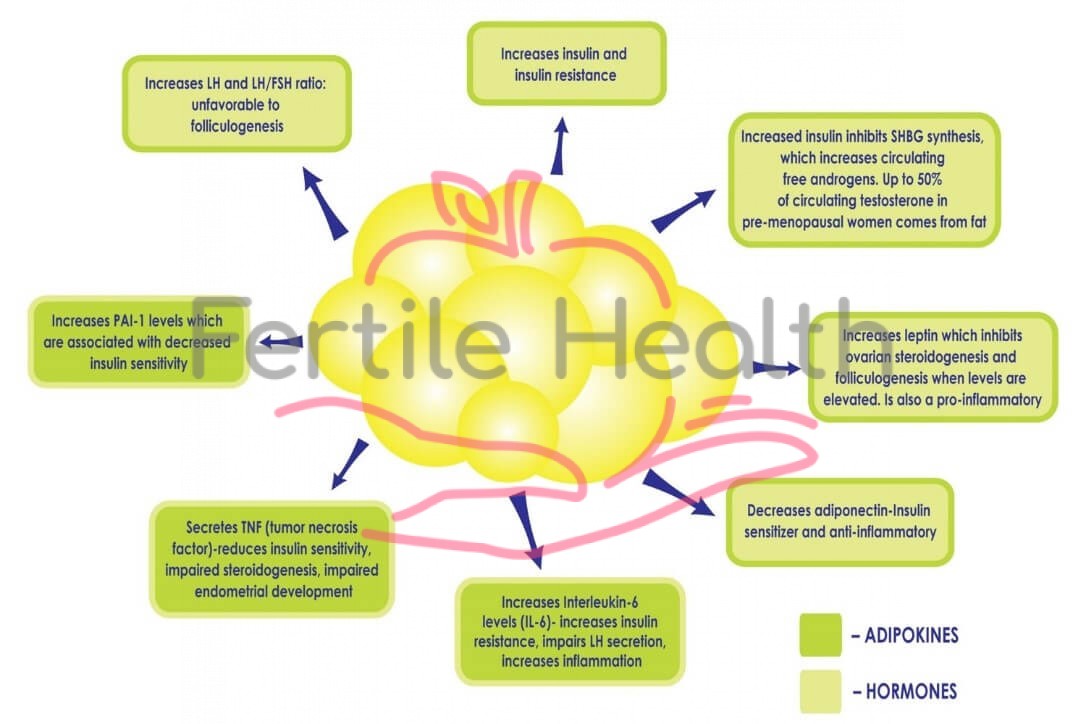
When a woman has PCOS, being overweight or obese intensifies the metabolic consequences. White fat cells are metabolically active. At a normal level, they are protective as they provide a safe home for lipids and keep fat out of organs. When there are too many fat cells, they can get overloaded and burst, releasing fatty acids into the bloodstream which can affect every organ. These fat cells get ‘stuck’ between the cells in organs and cause them to be stiff, damaged, less functional and cause chronic inflammation. It is not uncommon to diagnose ‘fatty liver’ in a woman with PCOS who is obese, as the liver is particularly vulnerable. In addition, an excess in adiposity can perpetuate existing hyperinsulinemia and insulin resistance by disrupting the delicate balance of cytokines and hormones produced by adipose tissue (see Figure 2), for example, decreasing the production of cytokines which increase insulin sensitivity, and increasing those which promote inflammation and insulin resistance. Excess insulin further contributes to abdominal adiposity and hyperandrogenism creating a vicious cycle in PCOS patients that can be difficult to overcome. 

Figure 2: Increased adiposity, and the subsequent increase in fat cells, can perpetuate hyperinsulinemia and insulin resistance by disrupting the delicate balance of hormones produced by adipose tissue, such as decreasing the production of adiponectin, a cytokine which increases insulin sensitivity and increasing others which promote inflammation.

In addition to insulin resistance, patients with PCOS and obesity may also suffer from, what some term, leptin resistance. Some studies have shown that leptin levels are higher in obese PCOS patients compared to lean patients.  Leptin is a protein produced by adipose tissue which regulates the body’s energy balance and appetite. When properly functioning, an increase in leptin signals the brain to reduce a person’s appetite and a decrease in leptin does the opposite, it signals the brain to increase appetite to provide the fuel needed for energy.  In many PCOS patients with obesity, however, this system is faulty and, despite increased leptin concentrations secondary to the increase in adipose tissue, the efficacy of leptin decreases, leading to leptin resistance.  Leptin resistance is considered an important risk factor for the pathogenesis of overweight and obesity, as the body remains insensitive to elevated levels and signals to the woman that she is still hungry/not satiated even after eating. Many women with PCOS complain of ‘never feeling full’ due to this resistance and continue to eat, leading to an increase in adipose tissue, which results in increased leptin resistance and perpetuates this damaging cycle. As a result, the conditions of overweight and obesity are common in women with PCOS and weight loss can feel impossible since intuitive eating is not effective when hunger and satiety cues are unreliable. 

Education about the significance of having PCOS is vital and the main focus should be addressing the patient’s perceived needs while decreasing the long-term risk factors.

Figure 3: Disruption of the HPO axis in a PCOS patient. There is excess LH stimulation on the theca cell resultaing in an increase in testosterone levels, an androgenic ovarian environment, and anovulation (resulting in low progesterone levels). Increased leptin levels due to an excess of adipose cells affect GnRH secretion. Elevated insulin levels contribute to hyperandrogenism.

Impaired leptin secretion not only affects body weight but can have a detrimental effect on ovulation (see Fig 3) and even fertilization in normal-weight PCOS patients.  It alters the release of GnRH from the hypothalamus, decreasing anterior pituitary stimulation (and therefore FSH and LH secretion), and preventing the development of a mature oocyte.  In addition, the granulosa cells also store and produce leptin, and high levels of leptin decrease their aromatization capacity which ultimately interferes with the ability of a dominant follicle to produce adequate amounts of estrogen (see Fig 1).  A small, observational study found a direct correlation between the concentration of leptin found in the follicular fluid (FF-leptin) (which has been correlated with fertilization rate) in lean women with PCOS who have underwent IVF when compared to normally ovulating, weight-matched women. 

Managing PCOS

PCOS is not curable but is manageable with proper diagnosis and the patient’s understanding of (and dedication to) the life-long strategies that can ameliorate its consequences. Education about the significance of having PCOS is vital and the main focus should be addressing the patient’s perceived needs while decreasing the long-term risk factors.  Potential metabolic sequelae and dangerous comorbidities associated with a PCOS diagnosis include dyslipidemia, impaired glucose tolerance, visceral obesity and being susceptible to the development of diabetes and cardiovascular disease (CVD). Some research suggests that the PCOS condition, particularly when accompanied by obesity, is associated with chronic inflammation and oxidative stress which are hallmarks of cancer development. In fact, women with PCOS have an increased risk (2-6 fold) of endometrial cancer.  There is also research suggesting that women with PCOS have higher incidences of autoimmune thyroid disease even in the absence of thyroid dysfunction symptoms.  Women with PCOS may require more specific screening for this disease or screening at a younger age given their PCOS diagnosis. While the syndrome is nondiscriminatory, there is ethnic variation in the presentation and intensity of symptoms. For example, East Asian women appear less clinically affected by hirsutism and have a lower BMI than Caucasian women. Hispanic women incur a higher prevalence of metabolic syndrome and hypertriglyceridemia than other ethnic groups, and increased central adiposity, IR, diabetes and metabolic risks are found in South East Asians and Indigenous Australians.  

One of the important goals of PCOS management is increasing the body’s sensitivity to insulin. Hyperinsulinemia, in addition to leading to insulin resistance, is a powerful contributor to excessive stimulation of ovarian androgens, and also inhibits sex hormone binding globulin (SHBG, a glycoprotein that helps to bind to androgens and reduces free testosterone levels which can improve hyperandrogenic symptoms). Lifestyle interventions are considered the first-line treatment for PCOS patients. Although weight loss is preferable when a patient with PCOS is overweight or obese, some suggest that the clinician emphasizes strategies that improve health as opposed to the focus solely being on weight loss. For example, exercise is the strongest insulin sensitizing strategy and is still helpful even in the absence of weight loss. Conversely, many PCOS patients are advised to lose weight prior to conceiving and they can do so in unhealthy and unsustainable ways, such as eating a no carb or extremely low-calorie diet, which might result in weight loss but can actually worsen metabolic parameters and is associated with high rates of recidivism.  

Patients’ attitudes toward exercise can vary greatly and it is difficult for those living with obesity to engage in exercise or physical activity. They may feel physically unable, emotionally uncomfortable and/or apprehensive about being publicly embarrassed.

Patients’ attitudes toward exercise can vary greatly and it is difficult for those living with obesity to engage in exercise or physical activity. They may feel physically unable, emotionally uncomfortable and/or apprehensive about being publicly humiliated. Some patients in higher BMI categories might be embarrassed or reluctant to go to a gym or a group exercise class where they perceive that everyone is thinner or fitter than them and, until recently, it was difficult for plus-size patients to find attractive workout clothes. For this patient population, it might be helpful to encourage them start exercising with the use of home videos, find a trainer who is experienced in dealing with body-diverse clients, or find a body-positivity mentor in person or online. Beginners can work towards simple, non-scale-centric goals such as increasing their workout time from 30 to 45 minutes or being able to walk a mile, instead of relying on weight loss as the only outcome.  

In addition to increasing insulin sensitivity, decreasing abdominal adiposity has shown to be a successful treatment for both the hormonal and metabolic characteristics of PCOS and might restore ovulation and menstrual cycle regularity in some patients. Achieving “metabolic fitness” such as making improvements in lipid and glycemic status is also a reasonable goal. Adolescent women with PCOS, who are surrounded by images of thin, fit girls both in person, on social media, and in mainstream media on a regular basis, can find it difficult to make the mental shift from attempting to replicate a too-thin, unachievable body shape to feeling healthier and achieving a reasonable weight that is sustainable. There is no single diet that works for all clients with PCOS. Ideally, women with PCOS should meet with a nutritionist who has an endocrinology background and can create individual meal plans for based on food preferences, availability, budget and other important factors. Proper nutrition counseling is a cornerstone in the treatment plans for PCOS patients.   

The Psychological Consequences of PCOS

Although it is paramount to decrease or delay the onset of the long-term risks associated with PCOS, the patient’s focus might be on reducing or tempering its physical and emotional consequences. Unequivocally, PCOS can affect a woman’s appearance which can negatively impact her self-esteem, particularly in adolescence. First, there is a high correlation between women with PCOS and elevated BMI. A reported 40-80% of women in this population are overweight or obese, often storing excess fat in the abdominal area. This form of adiposity called ‘visceral fat’ has a reciprocal relationship with hyperinsulinemia, where it is both exacerbated by, and contributes to, excess insulin.  

The androgenic manifestations of PCOS can also be devastating. Women with the condition often present with hirsutism, moderate to severe acne and/or alopecia that is difficult to combat. Starting OCPs or other medications to reduce serum androgens will limit the progression of these and may help control acne, but they will not reduce the amount of current body hair, and scalp hair regrowth can be a long process. Since many women utilize electrolysis or laser hair removal (when they can afford to) to reduce the appearance of hirsutism, during the physical exam clinicians should ask about any hair removal methods in order to determine the extent of clinician hyperandrogenism. The use of the Ferriman Gallwey score (a visual scale that assesses hirsutism) can be helpful for documenting their baseline score (a score ≥ 4-6 indicates hirsutism depending on ethnicity), then noting any improvement subsequent to interventions. Excess androgens can also result in acne which can persist into the adult years. Consulting a dermatologist for acne and skin changes can help improve appearance.  

This collection of symptoms can cause many PCOS patients to state that they do not “feel feminine” and, over time, often lead to depression or low self-esteem ultimately impacting their quality of life. Patients diagnosed with PCOS report increased psychological disturbances, and lower sexual satisfaction. Elevated BMI and hirsutism were the two highest reported features that contributed to decreased psychological well–being, while biochemical, endocrine and metabolic issues seem to be less urgent, an important distinction for counseling patients. 

It is vital that the nurse recognizes the unique consequences of women with PCOS when working with this particularly vulnerable population. Many of these women have been victims of weight bias or prejudice, even in health care settings. They might feel imprisoned in a body that even they don’t understand, potentially mortified by their appearance at a pivotal time in their lives, and the brunt of jokes by classmates, officemates, even teachers and health care providers. Weight bias is pervasive, and people feel justified mocking those in higher BMI categories because they perceive that being overweight or obese is a choice and, therefore, under their control. So although women are taught that ‘lifestyle changes’ can make a difference and ‘losing a small amount of weight is helpful’, this task seems daunting when their body craves foods that are caloric and fatty, and they do not achieve a feeling of fullness when they should. Weight bias has been shown to be incredibly detrimental to weight-diverse patients, and those who are victims of  it feel frustrated and powerless leading to binge eating and less exercise, the opposite of the desired outcome. In order to reduce bias, it would benefit the clinician to educate themselves on the complex reasons that people overeat prior to educating their PCOS patients.  

Involve and empower the patient by asking her to identify her own goals, such as being able to run a race, feel comfortable in a group class with others…etc. During the medical history, clinicians can ask a question such as “What are some things you feel unable to do now that you would like to do” and then collaborate with her to make changes to accomplish these. Identifying short-term, achievable, concrete goals can embolden and encourage the patient and take the focus off weight loss, which has probably been attempted many times in the past. In fact, exercise is the greatest insulin-sensitizing strategy, regardless of weight loss.  

To some, the diagnosis of PCOS is a relief as they now have justification for their androgenic symptoms and unexplained weight gain. For others, it is met with anger and resentment as it upends their version of adolescence or womanhood that they have probably had since childhood.

To some, the diagnosis of PCOS is a relief as they now have justification for their androgenic symptoms and unexplained weight gain. For others, it is met with anger and resentment as it upends their version of adolescence or womanhood that they have probably had since childhood. They are acutely aware that their bodies are different than those of their classmates and feel that they are not as attractive to potential partners. Control of their glucose levels and weight might feel chaotic, resulting in a body that is as mystifying to them as it can be to others. Clinicians must realize that acceptance of PCOS as a life-long disease can take years.   

PCOS is a complex, multi-layered condition that is heterogenous in both its manifestations and its presentation. The physiology of these patients is distinct in that they have barriers to the protective feedback systems that maintain balance in the body, such as leptin and insulin, resulting in weight gain and hyperinsulinemia. Management of these patients is centered around sensitizing them to insulin, preferably utilizing non-pharmacological methods first. Having PCOS can create an emotional toll on a woman which must be considered by those who care for them, and education and interaction should be undertaken without bias or blame. The future of PCOS lies in researching the genetic and epigenetic etiologies of the disorder in order to refine the diagnosis and hopefully discover a cure. Patients should also be made aware of pharmacologic treatment strategies, and potential future reproductive options (which will be discussed in Part 2).  

* The authors would like to thank Neil Chappell, MD for his help reviewing and editing this manuscript.

kampungbet

kampungbet

situs gacor

Acupuncture in an Infertility Setting

Once a couple is diagnosed with infertility, clinicians suggest a plan of care that is the most effective, least invasive and, whenever possible, economical. On a parallel journey, the couple also explores interventions or actions, on their part, that can contribute to their success in achieving a pregnancy, often researching complimentary medical techniques such as acupuncture. 

In the U.S.  over the last few decades as subfertile patients search for complimentary and alternative adjuncts to Western medicine in order to improve reproductive outcomes.

Acupuncture is an important arm of traditional Chinese medicine that has been used for centuries to regulate the female reproductive system. It has gained popularity In the U.S.  over the last few decades as subfertile patients search for complimentary and alternative adjuncts to Western medicine in order to improve reproductive outcomes. Early studies regarding the effect of acupuncture on In Vitro Fertilization (IVF) pregnancy rates were promising, generating a large interest in this therapy among couples experiencing infertility. Since then, studies were undertaken to lend credence to earlier reports that acupuncture can have a positive impact on reproductive outcomes for fertility patients. Recent studies and meta-analyses, though, show mixed results, tempering our haste to encourage subfertile couples to devote their time and resources to acupuncture if its effects on fertility are not proven.   

 Mechanism of Action 

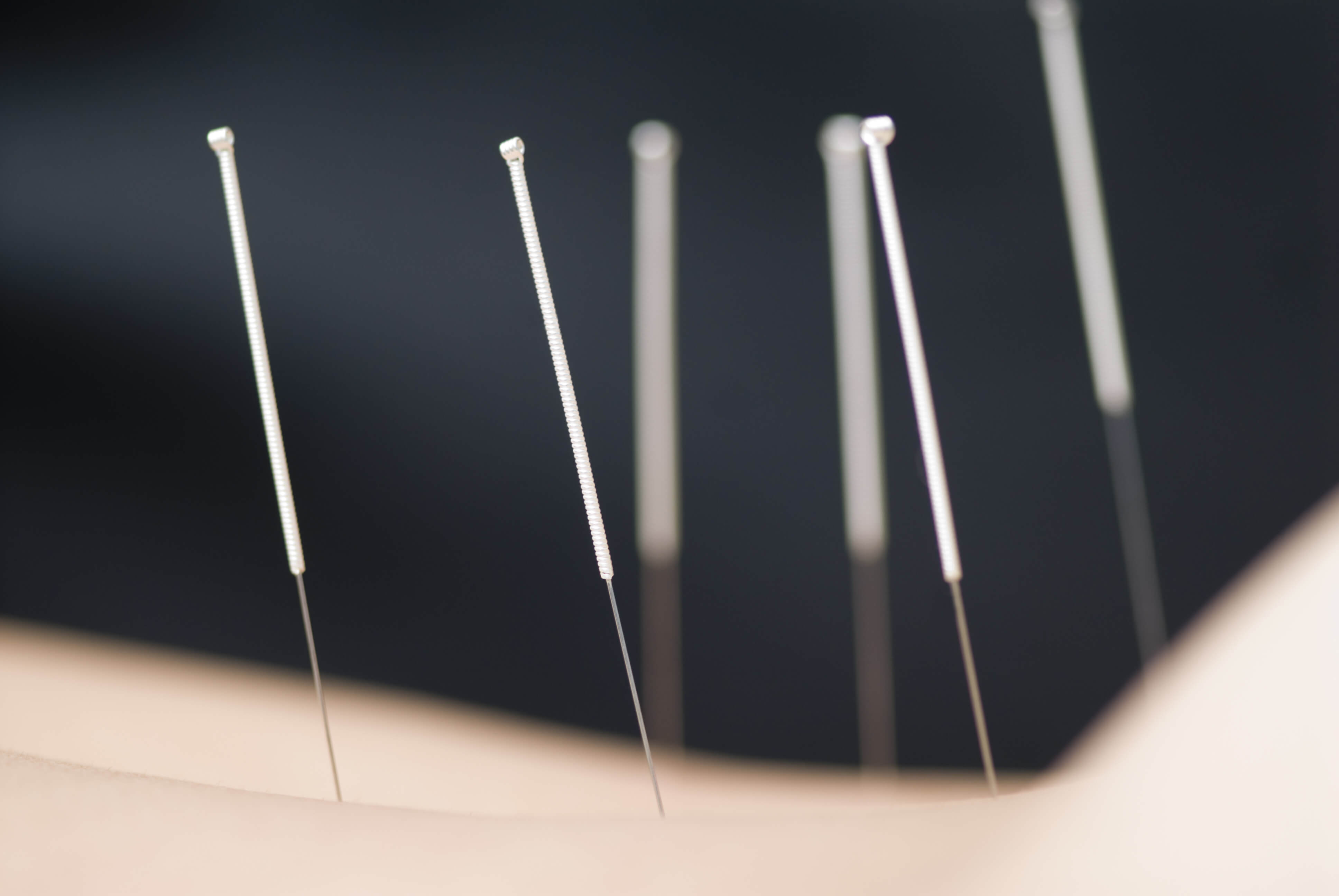
 Acupuncture is based on the principle that the body thrives when Qi (a form of energy) is allowed to flow freely through it. Conversely, when Qi is blocked or stagnant, it can lead to illness and/or malfunction. Along the body are energy points, called acupoints, which are situated along meridians (channels of energy) and are linked to certain body systems. By inserting, manipulating, and retaining very fine, sterile needles in the body one can stimulate these acupoints potentially correcting an imbalance of Qi, either an abundance or a deficiency. Manipulation of the needles can be done manually or by using low current or frequency to stimulate them.  

In reproductive health, a few plausible mechanisms of action of acupuncture have been identified. One is that it works by inhibiting central sympathetic nervous activity which can cause an increased blood flow to the ovaries and uterus, potentially improving oocyte quality and uterine receptivity respectively. Acupuncture induces neurotransmitter secretion, activating the release of gonadotropin-releasing hormone, which can regulate the menstrual cycle, influencing reproductive hormones and potentially restoring ovulation in anovulatory patients. Finally, through its effects on increasing endogenous opioid production, it can reduce anxiety which, unequivocally, is experienced by infertility patients and may even negatively impact their reproductive performance.  

Research on Acupuncture and Reproductive Outcomes 

 Although researchers have attempted to study the effect of acupuncture on reproductive outcomes, the results are inconsistent and the study designs fraught with methodological issues. There doesn’t seem to be continuity among the existing studies in terms of the timing and number of treatments, the proper control group and outcome measures. Early studies on the effect of acupuncture and pregnancy rates after an IVF cycle seemed promising and focused on the patient receiving two sessions, immediately before and after transfer. These were pilot studies, with small sample sizes, and the control and experimental groups were not similar enough in their characteristics (age, reproductive history…etc) to prove that it was solely acupuncture that had a positive effect. As stated above, one of the limitations of acupuncture research is defining the control group. Some argue that the control group should consist of women who have no intervention, whereas others believe it should be women who have ‘sham’ acupuncture, where they perceive that they are receiving treatment, they have needles placed, but they are not placed deeply nor on the proper meridian to be effective. Some studies do not show a benefit to acupuncture over sham acupuncture, and practitioners believe that it is because sham acupuncture is not inert. Several studies on pain comparing acupuncture with sham show that sham acupuncture still evokes a physiological response, strengthening the argument that it is an inadequate control and contributes to confusion in the literature. In addition, during their treatments, patients are still getting acupressure (when applying the needles) and also benefiting from a positive provider-patient interaction in a quiet room which can decrease stress, increase relaxation and possibly improve outcomes. As a result, most practitioners feel that comparing acupuncture to usual care may be a more useful control.  

 Presumably, researchers should replicate how a certain treatment or therapy is executed in clinical practice as much as possible in order to assess its applicability, but there is a disparity between the way that acupuncture is performed on participants in clinical trials versus how practitioners actually perform acupuncture in a clinical setting. For example, in clinical trials, the acupuncture points are fixed in order to adhere to rigorous study design. In real-life, though, practitioners prefer to personalize their protocol according to the patient’s history and current needs. Like any therapy, acupuncture arguably works best with regular sessions with a trusted practitioner. The early studies used a much lower dose of acupuncture, only two sessions: one immediately before and one immediately after the embryo transfer during an IVF cycle, now termed the ‘Paulus protocol’ after the one of the researchers who performed the study. Although initial results were promising, follow-up studies suggest that only two sessions isn’t sufficient to alter reproductive outcomes (though the effect on reducing stress can be immediate). In fact, a meta-analysis that grouped and analyzed randomized, controlled trials on acupuncture performed within a day of embryo transfer found no benefit in those patients who use acupuncture vs sham or usual care. Multiple treatments prior to, on the day of, and after transfer might increase pregnancy and live-birth rates, but future trials are necessary to determine the minimal number of sessions, as the dose of acupuncture needed will depend on the particular patient and her diagnosis.  

…if someone’s first experience with acupuncture is in the midst of an IVF cycle (when she is already submitting herself to a series of injections) the thought of unnecessary needles (no matter how small) may make the idea of acupuncture less savory. 

The optimal timing of the sessions is also not well-defined. Arguably, if someone’s first experience with acupuncture is in the midst of an IVF cycle (when she is already submitting herself to a series of injections) the thought of unnecessary needles (no matter how small) may make the idea of acupuncture less savory. Also, having acupuncture performed by someone with whom she is unfamiliar might actually be stressful for the patient, increasing anxiety as opposed to relieving it. In fact, one study showed lower pregnancy rates in the acupuncture vs control group when acupuncture was solely performed on the day of transfer and at an offsite location. In contrast, an observational study using the same acupoints as the previous study, did not find lower birth rates and, in fact, found higher live births in donor cycles. As a result, when possible, patients should consider starting acupuncture prior to their treatment cycle, have treatments close by or in the infertility center, and have regular sessions throughout with the same practitioner.   

 There is also disagreement regarding how to define ‘reproductive outcome’. For example, there is some data to suggest that acupuncture, and specifically electroacupuncture,  might be helpful in cases of endometrial insufficiency by reducing uterine artery blood flow impedance and for pain relief. Some patients even choose to use electroacupuncture for pain relief during oocyte retrieval instead of anesthesia.  Many of the earlier studies looked at more traditional metrics for reproductive outcome, such as clinical pregnancy or ovulatory rates but, ultimately the goal of fertility patients is to have a baby. Very few studies report live births and a recent prospective one showed that acupuncture was not better than clomiphene, in this regard, for PCOS patients.  

 Acupuncture and Stress Reduction for Fertility Patients 

…some methods of stress reduction, such as having a glass of wine or exercising vigorously, are off limits during a treatment cycle and in the preconception period. Acupuncture, in this context, can be a powerful weapon… 

Most would agree that infertility patients are both stressed and vulnerable and have greater levels of anxiety and depression than their age-matched counterparts.  There is some concern that stress can contribute to infertility, so reducing stress in this patient population is critical. Also, some methods of stress reduction, such as having a glass of wine or exercising vigorously, are off limits during a treatment cycle and in the preconception period. Acupuncture, in this context, can be a powerful weapon as studies have found  that acupuncture can help reduce anxiety. Even when researchers have not found a difference between control groups and those receiving acupuncture on pregnancy outcomes, many of them have still found that the acupuncture group has a reduction in anxiety levels, as evidenced by decreased serum cortisol levels or decreased perceived anxiety. It is recommended that stress reduction occurs, whenever possible,  prior to the start of an IVF cycle, and that reducing stress might reduce the number of treatment cycles needed for pregnancy to occur. Although many infertility centers now offer more mainstream options such as in-house counseling or support, some have found that only few patients make use of this resource. Clinicians can capitalize on patients’ interest in complimentary medicine and suggest acupuncture in the context of providing emotional support, rather than limiting the definition of the desired outcome to be solely achieving a pregnancy. Acupuncture can help patients develop resiliency and cope with the day to day stressors and potential negative outcomes which often accompany treatment cycles. Stress and anxiety are often the cause of discontinuing infertility treatment, so even in the absence of unequivocal results in terms of hormone balance or increasing implantation rates, the ability to manage these emotions would still be incredibly beneficial to fertility patients. 

 Acupuncture in Pregnancy 

 Many patients are concerned about the safety of acupuncture in pregnancy. Acupuncture is often regarded as safe in the general population when performed by a licensed provider. Studies on the effects of acupuncture during pregnancy are few, but a recent literature review found that acupuncture during pregnancy was associated with very few adverse effects, and that all evaluated were unlikely to be caused by the acupuncture treatment. Some acupressure points can stimulate uterine contractions, so it is obviously important that these are avoided before and during pregnancy, but acupuncture can be very effective for relief of some pregnancy symptoms, such as lower back pain, headache and nausea, so it would be reasonable to continue treatments once pregnant. As there is much variability among providers, it is recommended that acupuncture be performed by a therapist with experience in reproductive endocrinology and health. When searching for someone, one recommendation would be to ask the staff at an infertility center or OB/GYN office whom they recommend. Another is to search for a practitioner who is registered with the American Board of Oriental Reproductive Medicine (ABORM.org) where he/she has to pass rigorous testing in order to be certified or The National Certification Commission for Acupuncture and Oriental Medicine (NCAAOM.org).  

 Despite increasing use of acupuncture by fertility patients, its ability to improve pregnancy or live birth rates has not been proven in the literature. Although its mechanisms of action on the female reproductive system seem plausible, the clinical trials studying it are so flawed that accurate interpretation of results is limited. The question arises, then, if we as healthcare professionals should be recommending acupuncture to our patients who might be short on finances or the time needed for regular sessions, particularly if its ability to enhance reproductive outcomes cannot be determined.  

For infertility patients, acupuncture can provide balance and control during a journey short on both.

 Arguably, though, maybe it’s time to redefine ‘reproductive outcome’ and instead of focusing on just clinical pregnancy rates as the ultimate measure of success, one should equally weigh the sense of control and reduced anxiety that is experienced by patients who undergo acupuncture. For infertility patients, acupuncture can provide balance and control during a journey short on both. One can argue that Eastern medicine has existed successfully for thousands of years, even if it is not amenable to the application of rigorous study design or statistical analysis. For this body of research, it might be reasonable to suspend the need to measure and demystify acupuncture and its effects and allow ourselves to appreciate its possible impact without measuring it.

situs gacor

togel

togel

situs gacor

situs gacor

situs gacor

kampungbet

situs gacor

slot gacor

situs toto

slot gacor hari ini

toto

situs slot

situs toto

link gacor/a>

kampungbet

kampungbet

Ovarian Reserve Testing and Diagnosing Diminished Ovarian Reserve

Ovarian Reserve Testing and Diagnosing Diminished Ovarian Reserve

Dayna Browning, BSN, Jennifer Dwyer, BSN and Monica Moore, MSN, RNC

Edited by Paul Bergh, MD

A woman’s ovarian reserve refers to both the quantity and quality of her eggs, and diminished ovarian reserve means either or both of these factors are declining. 

Ovarian reserve testing specific for the quantity of available oocytes consists of biochemical and ultrasonographic tests that represent a snapshot of where a woman falls along this continuum. 

Surprisingly, women have the most eggs (oocytes) when they can least use them, prior to birth as a 20 week fetus! After birth, this oocyte pool dwindles until very few remain at the time of menopause. Ovarian reserve testing specific for the quantity of available oocytes consists of biochemical and ultrasonographic tests that represent a snapshot of where a woman falls along this continuum.  It’s critical to have an accurate assessment of reproductive potential when planning for pregnancy, whether utilizing advanced reproductive technologies (ART) or not. When proceeding with ART, ovarian reserve testing dictates stimulation protocols to avoid unwanted outcomes, like cycle cancellation or ovarian hyperstimulation.  Nurses are often the ones who interpret and review these results with patients, so in this article, we will explore the available tests, their applicability and pitfalls, and how best to discuss with the outcome with patients.  

Egg Supply Chart
Egg Supply Diminishes with Age

Regarding the quality of oocytes, the millions of eggs that represent a woman’s oocyte pool are dormant for years, arrested in meiosis (cell division for sex cells). The next time these oocytes are re-activated and meiosis resumes is after selection within the dominant follicle, at the time of ovulation with the luteinizing hormone (LH) surge. So, at the time the oocytes are expected to resume cell division, they may have been paused in the middle of cell division from 13 years to as many as 40+ years. Cell division is a process that requires a significant amount of energy.  As eggs age, so do does the cell machinery that is crucial for efficient cell division. Accordingly, aging oocytes may not respond as well as younger eggs once recruited from the original supply. These older oocytes are less effective at correctly completing meiotic cell division and thus are at an increased risk for aneuploidy (an abnormal number of chromosomes in the embryo, which is often lethal).This is often the cause for the exponential decline in fertility and increase in miscarriage rates seen in women who attempt to conceive in their later reproductive years. This decline in the oocyte’s ability to complete meiosis error-free is a reflection of oocyte “quality” and, other than a women’s age, there is no way to evaluate the chance of oocyte meiotic error.  

Regarding quantity, the rate of follicular depletion varies considerably among women. Chronological age is an important factor when counseling infertility patients, but it’s important to note that two age-matched women can have very different levels of ovarian reserve. Although some lifestyle choices, such as smoking, trauma from surgery, or radiation/chemotherapy can be detrimental to oocytes, exercise and a healthy diet are important, but not necessarily protective. The fact that a fit, active woman in her 40’s can still have diminished ovarian reserve demonstrates the inescapable reality of ovarian aging.  

The fact that a fit, active woman in her 40’s can still have diminished ovarian reserve demonstrates the inescapable reality of ovarian aging.

Diminished ovarian reserve (DOR) is a term used to denote that the decrease in the oocyte pool has reached a level in which it impairs fertility. DOR occurs even in women with regular menstrual cycles. Those who are diagnosed with DOR can be counseled that they will have a lower response to stimulating medications, a higher cancellation rate, and a lower chance of pregnancy after an IVF cycle than an age-matched woman whose ovarian reserve testing is normal. 

Although it would be helpful if ovarian reserve testing reflected both the quality and quantity of the oocytes that remain (and are available for that particular patient), there is a stronger association between the outcome of the tests and the quantity of oocytes available, not their quality or competence. Research on the predictive value of the existing tests is mostly undertaken in the setting of a high-risk population, i.e. those who present to infertility centers, and caution should be taken when extrapolating these results to a low-risk group, such as women who have not been diagnosed as subfertile. The applicability of the results, then, should mostly guide clinicians about expected outcomes during ART cycles, for example, response to stimulating medications, possible cycle cancellation, and the chance for pregnancy after a treatment cycle. They are less reliable when used to predict the probability of a natural pregnancy or when menopause will occur. Also, no single test is predictive of reproductive potential and the patient’s medical history and clinical picture should always be considered when interpreting results.  

Historically, a follicle stimulating hormone (FSH) level on cycle day 2-4 was used as the ‘gold standard’ of ovarian reserve testing. FSH is produced by the pituitary gland and is an important hormone necessary for follicle growth, particularly small follicles. As a follicle grows, it produces estradiol (E2) and inhibin B, and the increase in these hormones decreases the release of FSH from the pituitary. So adequate early follicular levels of E2 and inhibin B maintain FSH at normal levels. E2 and FSH levels are inversely proportional, so lower E2 levels would signal the pituitary to increase the production of FSH. As a result, it is important to also draw an E2 level when an FSH is drawn to assure that E2 is not elevated (>60-80 pg/ml) which would falsely lower FSH. As women age, the quantity and quality of the follicles that they produce declines.  A poor-quality follicle (or a reduction in the number of follicles) results in an E2/inhibin B levels not high enough to provide negative feedback to the pituitary to reduce the production of FSH, so it is over-secreted. Consequently, elevated FSH levels on day 2-4 can be an indicator of diminished ovarian reserve. An FSH level >10 mIU/ml, according to the World Health Organization (WHO) 2nd international standards, is considered a sign of decreased ovarian reserve. FSH alone, though, seems to be a limited measure of ovarian response. It’s specificity and sensitivity vary in the literature, and it’s a poor predictor for pregnancy and live birth, particularly for young (<35 y/o) patients. As a result, most clinicians do not rely on this level alone when counseling patients.  

A dynamic measure of ovarian reserve, that has been used in the past but is no longer widely used, is a clomiphene citrate challenge test (CCCT).  Women undergoing this test have an E2 and FSH level drawn on day 2-4 of their menstrual cycle. Then, 100 mg of clomiphene citrate is taken orally on days 5-9, and an FSH level drawn on day 10. This has been termed a ‘stress test’ for the ovaries as it might show how ovaries respond to stimulation and reveal more subtle DOR that may be concealed by using a static test/single level. This test is in effect a bioassay of the inhibin B response of the follicle.  Clomiphene citrate blocks estrogen’s negative feedback to the pituitary and the hypothalamus, however inhibin B produced by the follicles is not blocked by clomiphene citrate and is still recognized by the brain. In a normal CCCT test, with a sufficient inhibin B response, the FSH with the day 10 blood work should still be suppressed to the normal levels expected on day 3. Recently, though, other methods are increasingly used over this test as some feel that there is only a minimal to moderate benefit over testing FSH levels alone (if any) and is not necessarily cost-effective. As a result, some centers opt to use this test for patients in whom they suspect a poor response to stimulation (over the age of 35, I.e.) whereas others do not use this test at all.  

Anti-Mullerian Hormone (AMH) is starting to emerge as the preferred measure of the quantity component of ovarian reserve. AMH is a hormone secreted by the granulosa cells that surround the early, small (up to 4 mm) follicles in the ovary. Normal levels are lab-specific, but many use >1.0 ng/ml as the cut-off. AMH expression is not gonadotropic-dependent, so can be drawn at any time during the menstrual cycle.  Levels peak at 25 years of age and decrease with age (the opposite of FSH), with a level <1.0 mg/ml indicating diminished ovarian reserve and very low levels can be seen about 5 years prior to menopause. Elevated AMH levels also have clinical utility, as they would suggest a robust ovarian response, and have been shown to correlate with an increased risk of ovarian hyperstimulation syndrome (OHSS). AMH can be helpful in predicting the response to gonadotropin stimulation, and possibly pregnancy rates. The data is mixed regarding the predictive value of AMH levels and live birth, although there is some evidence that it might be better than FSH levels in this regard.  Also, in women without a history of infertility, a prospective, randomized study found that low AMH levels do not predict a decrease in fecundity as compared to those with normal levels. AMH might also be useful in assessing the need for fertility preservation strategies. The data on AMH as being a reliable predictor of natural fertility is mixed, though, larger studies are needed to elucidate this.  

As stated above, the follicles which become dominant and ovulate are just the ‘tip of the iceberg’ and demonstrate the immense attrition rate seen with normal human aging. Only 0.1% of oocytes present at birth make it to ovulation. Every month, a small portion of follicles (containing oocytes) are drawn from a woman’s egg supply in the hopes of being selected to become a dominant follicle.  Around day 5-7 of a 28 day cycle, the follicle which has the most FSH receptors becomes dominant and the remaining follicles get reabsorbed by the body. Measuring the number of small (2-10 mm), antral follicles that are present by ultrasound on day 2-4, then, before dominant follicle formation, termed the Antral Follicle Count (AFC) is a helpful measure of ovarian reserve as it can be appreciated that the lower the overall egg supply, the lower the number of follicles available to be recruited. These are the follicles that contribute to the AMH level so it is no surprise that the AFC is highly correlated with AMH levels. This is supported in the literature as women with a lower AFC are more likely to have cancellation for poor response in IVF cycles. The literature is mixed regarding with the lower limits for AFC are, there is some agreement that less than a BAFC of <3-6 is concerning.

Poor AFC

Poor AFC
Poor AFC

Normal/Good AFC

Good AFC
Good AFC

Although not well-established until the last decade, AMH and AFC seem to be emerging as the best approaches to procreative testing, as they are the most accurate in predicting poor response to IVF (better than FSH). They are also better at predicting hyper-response and elevated levels of either should alert the clinician to the possibility of OHSS. Although AMH seems to be superior to FSH in predicting live birth, data is conflicting regarding its ability to predict miscarriage rates.  

Treatment of DOR 

Very few treatment options are available when a woman has been diagnosed with diminished ovarian reserve. One reasonable, and affordable, strategy is advising the patient to begin supplements such as DHEA (Dehydroepiandrosterone) and Coenzyme Q10. DHEA is in a class of steroid hormones known as androgens which are at peak levels in humans in their mid-20s. Coenzyme Q10 (CoQ10) is an antioxidant that your body produces naturally to use for growth and maintenance and plays a key role in mitochondrial function. There has been recent data that suggests DHEA improves ovarian function, increases pregnancy chances and, by reducing aneuploidy, lowers miscarriage rates. Similarly there is also data that Coenzyme Q10 can not only help preserve the ovarian follicle pool, but also facilitates ovulation of gametes able to support normal development. Other suggestions include maintaining a healthy lifestyle and avoiding factors that can impair fertility such as an elevated BMI and smoking.  

 Historically, it was thought that superovulating patients with diminished ovarian reserve gave them the best chance of pregnancy during a treatment cycle, but a growing body of research suggests that ‘mini’ or ‘mild IVF’ might offer outcomes similar to conventional IVF cycles. Conventional IVF consists of the administration of high-dose external hormonal injections with the goal of developing a large quantity of oocytes. These oocytes are retrieved during a surgical procedure and later fertilized with sperm in a controlled laboratory setting. In mild ovarian stimulation, or mini IVF, an oral ovulation induction agent such as clomiphene citrate or letrozole is initially used, followed by the administration of low-dose injections to stimulate follicular growth. Because this approach leads to less oocytes retrieved, it can be done with local anesthesia as opposed to general anesthesia. The cost is also less because less injections are used. When comparing conventional IVF and mini IVF, a study found that there is fair to good evidence that clinical pregnancy rates are not substantially different between two types of stimulation in women predicted to be poor responders.  

Counseling the Patient 

When couples begin their fertility journey they are seeking answers as to why they are unable to conceive or have been experiencing recurrent pregnancy losses.  A comprehensive diagnostic workup is the first step to treatment and, for many women, it is found that they have diminished ovarian reserve.  Receiving and accepting this message, and its ramifications, is incredibly difficult for patients. As REI nurses it is our responsibility to assist in counseling the patient on appropriate care measures based on their results.  Although it is more common to see a decline in ovarian reserve in women over the age of 35, this unfortunately can affect women of all reproductive ages.  If a woman’s ovarian reserve testing (hormone levels, follicle count) falls within a normal range, a less invasive option such as IUI (Intrauterine Insemination) may be recommended as first line treatment.  However, if a woman is shown to have signs of diminished ovarian reserve (low AMH, high FSH, low AFC) she would need to be counseled on the importance of aggressive fertility treatment such as IVF to optimize her chance of success for a current and potential future pregnancy, the higher chance of cycle cancellation, and the lower chance of pregnancy when compared to women her age with normal ovarian reserve.  It is important to share with the patient that as she gets older her reserve and egg quality/quantity will continue to decline.  This is especially pertinent for women who want to have multiple children, so ovarian reserve testing results should be taken into context with the couple’s family-planning goals, such as how many children would they ideally like to have.   

One of the most difficult and emotionally-charged treatment options to discuss with a patient is the potential need for OD or ED (Oocyte or Embryo donation), as it requires that she accepts the inability to use her own eggs and agree to use someone else’s, a huge shift in her family-building perspective and the loss of a life-long dream.

One of the most difficult and emotionally-charged treatment options to discuss with a patient is the potential need for OD or ED (Oocyte or Embryo donation), as it requires that she accepts the inability to use her own eggs and agree to use someone else’s, a huge shift in her family-building perspective and the loss of a life-long dream. When delivering this sensitive news to the patient or couple it is important to be forthcoming , but empathetic and sensitive as well (Review How to Deliver Bad News here).  Realize that the patient needs to essentially grieve the loss of her fertility.  When making this phone call, make sure there is adequate time to discuss results and answer any follow-up questions the she (or her partner) may have. So be prepared that this call might take more time and allow for that when planning your day.  Setting realistic expectations for the patient in terms of recommendations for treatment and the potential for success is crucial.  Keep in the mind that the patient may not readily accept your news and may have an understandably defensive or aggressive reaction.  Reminding the patient that you are available as a form of support will allow them to express their feelings and concerns once they are ready.  Offering additional support resources for the patient such as speaking with a social worker, or scheduling a follow up appointment with their physician can be offered as well.   

Ovarian reserve testing provides important information regarding likely reproductive outcomes in infertility populations. AMH and AFC are emerging as the more widely used tests to evaluate the quantity of oocytes remaining. Evaluating the quality of the remaining oocyte pool remains elusive though is often correlated with age. Currently there is no real treatment for women with DOR, but supplements and personalized stimulation protocols are options. When ovarian reserve testing results are abnormal, nurses need to realize that this news can be devastating to a patient. As a result, time and care should be taken when making the phone call to deliver these results, considering the patient’s clinical situation and desire for family-building.

slot gacor

toto

toto togel

link gacor

slot gacor

slot gacor

kampungbet

slot gacor

situs gacor

situs togel

slot gacor

situs toto

link slot

toto

situs gacor/a>

kampungbet

kampungbet

Male Factor Infertility and Interpreting the Semen Analysis

Male Symbol

In about half of couples experiencing infertility, there is a male factor which either contributes to, or is responsible for, their subfertility. This common condition presents a challenge to Reproductive Endocrinology and Infertility (REI) nurses as it is a complicated diagnosis with many causes and treatments and our formal education on the topic is, arguably, limited. This lack of information (combined with the reduced visibility and familiarity of the male partner in the infertility setting) can result in nurse discomfort when discussing results and treatment options. Since the semen analysis remains the primary test for male fertility, and nurses are often the ones who are interpreting and discussing these results with patients. The goal of this article is to review the sperm cell itself, it’s journey through male and female reproductive tracts and how to interpret the semen analysis properly. The psychosocial aspects of male infertility will also be reviewed in an effort to improve nurse/patient communication when relaying results.

The Sperm and Sperm Journey

The sperm cell has one main role: to transfer paternal DNA by reaching, attaching to, penetrating and activating the female oocyte and its shape is highly adaptive to its function.

The sperm cell has one main role: to transfer paternal DNA by reaching, attaching to, penetrating and activating the female oocyte and its shape is highly adaptive to its function. A sperm cells consist of four main segments: The head (which contains the nucleus and the acrosome, an organelle which is critical for penetrating the zona pellucida of the oocyte); the neck (which contains centrioles); the midpiece (which contains the mitochondria, the energy provider); and the tail (which has flagellum that propels the sperm). Sperm cells are unique in that they mostly lack cytoplasm, which is extruded as they differentiate from round spermatids to mature spermatozoa with the typical shape with which we are familiar: a small oval head (mostly consisting of the nucleus) and a long tail. So, basically, a sperm cell is a small, energetic torpedo that delivers male genetic material. Sperm cells are produced approximately every 46-72 days by a complex process called spermatogenesis which occurs in the seminiferous tubules of the testes. Spermatogenesis is affected by intrinsic factors, such as a properly functioning hypothalamic-pituitary-testicular axis, and extrinsic factors, such as heat. In fact, the testes reside outside of the body in order to provide thermoregulation (they are 2-3 degrees cooler than rectal temperature). Once spermatogenesis is complete, the sperm enter the epididymis, a comma-like structure on the outside of the testicle, where they finish the maturation process and become motile. They remain in the epididymis for 2-3 months or until the time of ejaculation, which is an important point as sperm that is ejaculated was produced at least 2-3 months prior.

Image credit: Wikipedia.com

In order to travel through the female reproductive tract, sperm needs to combine with fluid in which it can move. This fluid is generated in the male by several structures: the seminal vesicles, the prostate gland and urethral glands and, once combined, called seminal fluid or semen. Semen also provides fructose, the energy source necessary for sperm movement, and other substances that protect sperm during its journey through the reproductive tract, as sperm cells are vulnerable to a myriad of external insults, such as temperature changes, acidic pH and oxidative stress.

The sperm journey through the female reproductive tract closely resembles an obstacle course, fraught with barriers and challenges, and a healthy sperm must be equipped to overcome them.

The sperm journey through the female reproductive tract closely resembles an obstacle course, fraught with barriers and challenges, and a healthy sperm must be equipped to overcome them. Once ejaculated, the seminal fluid provides substances that protect the sperm and assist it during its journey, such as agents which buffer the acidic environment of the vagina, substances that assist with motility through cervical mucus and still others which suppress the immune response of the female which can destroy sperm. Those sperm which survive to enter the fallopian tubes remain there for a period of time where the glycoprotein coating is removed from the surface of the sperm (called capacitation), a necessary process where sperm acquire the ability to fertilize an egg. The acrosome, the organelle covering the head of the sperm, is filled with the enzymes necessary to penetrate the zone pellucida of the oocyte, allowing one sperm to enter and fertilize and activate the egg. The remaining sperm die off in a process called apoptosis. There is a huge attrition rate from the sperm present in the ejaculate to those that reach the zone pellucida, so in order to account for this, many millions of motile sperm need to be deposited in the vagina at the time of intercourse in order for just tens of hundreds to reach the ampulla of the fallopian tubes, where fertilization usually occurs.

Diagnosis of Male Infertility

A comprehensive evaluation of the male has three necessary components: A thorough medical history (including a sexual and reproductive history), a physical exam, and a semen analysis, the main diagnostic test for male factor infertility. There seems to be agreement among most experts that the initial evaluation should include a medical history and a semen analysis and, if abnormal, then the patient should be referred to a male reproductive specialist with the expertise and experience to complete the physical exam.

The semen analysis is a snapshot of a male’s semen parameters at that moment in time. Its components include a microscopic assessment of sperm concentration, motility, morphology and the presence of round cells, debris or bacteria. Most REI centers follow World Health Organization (WHO) criteria from 2010 which provides the lower reference limits for each parameter. It’s important to note that a normal semen analysis doesn’t imply fertility and an abnormal semen analysis doesn’t imply subfertility. Historically, the percentage of motile sperm has been reported to correlate best with pregnancy outcomes, but it is now suggested that in order to properly interpret the semen analysis, one must use a combination of parameters as opposed to noting that one or two are low and diagnosing the male with infertility. Although some clinicians prefer two separate specimens obtained 1-3 weeks apart, the more recent consensus seems to be that one specimen is adequate unless the results are abnormal, then another specimen should be obtained with an emphasis on production specifics, such as assuring an ideal abstinence period of 2-5 days, and determining if there was any impediments to producing the sample, such as the male “missing the cup” during the collection process. The subsequent specimen is collected to account for the variability in samples seen within the same individual, not to determine if a treatment or therapy worked.

Most of the components of the semen analysis are self-explanatory, for example, motility describes the percent of sperm that are moving, although there are different levels of sperm progression from twitching in place to actively moving. Morphology refers to a subjective description of how the sperm appear (size and shape) under the microscope. There can be defects in any, and all, of three regions of the sperm cell: the head, neck or tail, which can affect the sperm’s movement or ability to penetrate the oocyte. Low levels of sperm concentration, motility or morphology theoretically imply that the sperm can be impeded in its ability to reach or penetrate the oocyte. Once inside the zona pellucida, though, the sperm should act normally to fertilize and activate the egg, hence the reason why ICSI can result in fertilization in the absence of any normal forms or very low motility.

ASRM Practice Committee: Evaluation of the infertile male, 2015

True to the definition of the word ‘component’ the different values of the semen analysis are just parts of the whole picture, each one not meant to be taken in isolation in order to appreciate an accurate clinical picture of the male patient. The motility and morphology are percentages and the total number of motile or normal sperm, respectively, should be taken into account before a diagnosis of male factor fertility is made. For example, 15 m/ml is the lower limit of concentration and 4% is the lower limit of morphology. If a semen analysis reveals 3% morphology, and the concentration is 15 m/ml that is more concerning than a semen analysis that shows a sample with 3% morphology, but a concentration of 100 m/ml.

There are some common terms utilized when discussing the interpretation of results. Oligospermia denotes a low sperm count (<15 million/ml) and severe oligospermia is when there is <5 million sperm/ml. Azoospermia is absence of sperm in the ejaculate. Azoospermia is further segregated into two categories: obstructive azoospermia (where sperm is being produced but not delivered, such as a male who had a vasectomy) and non-obstructive azoospermia where sperm is barely being produced if produced at all. In the case of severe oligospermia or non-obstructive azoospermia, it is recommended that a karyotype is obtained on the male to rule out genetic abnormalities. Some experts suggest obtaining a karyotype in cases of oligospermia where the sperm count is <10M/ml based on the fact that chromosomal abnormalities are more common in infertile men than in those who are fertile. Asthenospermia denotes poor sperm motility while teratospermia refers to poor sperm morphology.

Male infertility terms

Consequently, the semen analysis is an important test but it’s critical to note that it is capturing a biological process at a single moment in time. As a result, there are limitations to its diagnostic and prognostic value. For example, it may show that the amount or shape of sperm are adequate, but it doesn’t assess for the functionality or fertilization potential of those sperm. Also, solely relying on its results can cause one to miss significant conditions or behaviors that can contribute to infertility, such as sexual dysfunction.

Although not yet standards of care, some clinicians utilize additional tests that might uncover damage to sperm that is not revealed in a basic semen analysis, such as DNA fragmentation. DNA integrity is important for normal embryo development. Although more data is needed, a growing body of evidence suggests that high levels of DNA damage can negatively impact reproduction. Sperm samples from infertile men have been shown to have significantly more DNA damage than those from fertile men. Damage to DNA of sperm occurs during their development as well as during the maturation and transport process that takes place outside of the testes. DNA damage can also be due to external factors such as oxidative stress, heat and significant varicocele. The American Society of Reproductive Medicine (ASRM) position The clinical utility of sperm DNA testing states that although some couples may benefit from this testing, it is not recommended for routine use. It also warns that the predictive value for clinical treatment is undetermined and there is no agreed-upon treatment once DNA damage has been diagnosed.

Similarly to unexplained infertility in females, about 30% of men have unexplained or idiopathic infertility as clinicians are unable to determine an apparent cause using the investigative methods described above. Currently, oxidative stress (OS) is believed to be an important and plausible cause of idiopathic male infertility. Simply put, OS reflects an imbalance between reactive oxygen species, which are harmful to the body, and the body’s ability to defend itself (antioxidant defenses). Sperm are susceptible to oxidative stress because they lack the necessary cytoplasmic-enzyme repair systems. OS can result in poor fertilization, poor embryonic development and pregnancy loss. Some examples of OS include poor lifestyle choices such as smoking and excessive alcohol consumption. Others include infection, radiation and high-grade varicoceles. Prevention and management of OS includes diagnosing and treating infection; minimizing detrimental behavior (such as the lifestyle choices listed above), limiting exposure to heat, toxins and heavy metals and ensuring the consumption of anti-oxidants in one’s diet. Additional studies are needed to elucidate the effects of taking anti-oxidants as supplements. Some studies suggest that they may increase sperm parameters, while others find that the data or study design is limited.

Psychological Effects of Infertility on Men

Certainly, whenever communicating with patients, their perspective should be taken into account when delivering results and reviewing and discussing semen analysis results is no exception. Consider the following unique characteristics of men in an infertility setting. They often feel excluded or minimized during the fertility process, even their own lab results are usually reported to their female partner. In addition to the emotional stress that is intrinsic to fertility treatments, men also share the burden of the financial aspect of fertility treatments, which can be costly and can deteriorate the couple’s savings over time. Men in an infertility setting often feel like a failure. The inability to impregnate their partner can be emasculating, regardless of if the fertility factor is male, female or both, which can lead to a compromised sense of identity.

True to the nature of fertility, even the studies available that focus on the mental health of the male partner in an infertile couple are disproportionately low compared to those of the female partner, but the few that exist confirm that mental health in men is compromised as a result of infertility.

The fertility process itself, and repeated negative outcomes, can lead to depression and anxiety in men as well as women. True to the nature of fertility, even the studies available that focus on the mental health of the male partner in an infertile couple are disproportionately low compared to those of the female partner, but the few that exist confirm that mental health in men is compromised as a result of infertility. A recent one found that 15% of male partners who did not have a successful pregnancy during the study interval met the criteria for being depressed Another group of researchers studied 274 infertile men undergoing treatment and found that 32% were diagnosed with depression and that more than 60% met the clinical criteria for anxiety. Also consider that the couple’s relationship with each other can fall prey to the stress of infertility, particularly if a pregnancy is never achieved. According to one study couples for whom fertility treatments failed were three times more likely to divorce than those who had a child. In addition, the stress of infertility can lead to sexual health problems in the male, like erectile dysfunction, which can hinder treatments, and cause considerable relationship discord, particularly if he is unable to produce a sperm sample on command.

So, what can nurses do? Researchers recommend that health care providers actively involve male partners in the treatment process. Educating themselves on the male perspective is a valuable first step. A plan should be made in advance regarding how, when and to whom the couple would like male results to be delivered. Realize that men communicate differently and that the male partner may not be as familiar with the clinic’s systems and protocols, for example he may not know the password to access a patient portal in order to obtain his results and must rely on his female partner to do so. One study found that men prefer oral to written communication, but realize that similarly to the female, the male partner is most likely at his job, and can’t listen actively or speak freely. It would be preferable to set up a time in advance to call, maybe during his lunch hour or on his way home from work, if possible. Consider offering mental health support to male partners, but do not be surprised if it’s declined. This same study found that men prefer to have support from infertility clinicians as opposed to mental health professionals.

Male factor infertility is a prevalent issue among infertile couples. The diagnosis can be complex, but at the very least, should include a comprehensive medical history and semen analysis. The semen analysis, although a useful tool, should be interpreted carefully and comprehensively, and in consideration of the entire clinical picture. Other, more specific, tests for male fertility might be useful, but are not yet standard of care. Infertility is stressful, regardless of the cause. Often forgotten, or his presence reduced to only occasional or infrequent contact, the male should be involved in the fertility process whenever possible.

slot gacor

toto

toto togel

link gacor

slot gacor

slot gacor

kampungbet

slot gacor

situs gacor

situs togel

slot gacor

situs toto

link slot

toto

situs gacor/a>

kampungbet

kampungbet

How to Deliver Bad News: Interview with Dr. Helen Riess

Bad News

Earlier this month, we were honored to be speaking to Dr Helen Riess about the important concept of empathy for healthcare providers (See her TED talk here). Dr. Riess is Co-Founder and Chief Scientific Officer of Empathetics. She is an Associate Professor of Psychiatry at Harvard Medical School. Her research on empathy and the neuroscience of emotions has been published in peer reviewed journals, and she is a core member of the Research Consortium for Emotional Intelligence (CREIO) as well as a faculty member of the Harvard Macy Institute.

Monica Moore: Thank you for taking the time to speak with us today. Our field, of reproductive endocrinology and infertility (REI), is constantly evolving with exciting new advances that continue to improve pregnancy rates, but we are still not at 100%, so often as REI nurses, we find ourselves often having to give bad news to a patient population that is both incredibly savvy and stressed, without having been properly trained in delivering this news. I’m so happy to talk to you today about how to impart bad news sensitively and in a way that helps our patients.

Helen Riess, MD: Hello and happy to talk to you today.

MM: As discussed, the REI field is not life-threatening in the true sense of the word, but it is life-altering to our patients.

HR: I agree, for them it is life-altering as it could mean the end of a dream.

MM: Yes. In keeping with this, can you give us a brief overview of the role of empathy in patient interactions, particularly when delivering bad news? Can you give us an example of a few empathetic statements?

HR: The preparation for giving bad news really begins with the provider, who has to be mindful that she is the messenger of bad news. He or she needs to think: “I am not the bad news myself, but how I convey it is what this person will remember”. Really, it helps to put yourself in the patient’s shoes and think, “How would I want this news delivered to me?”. That is a starting point. I think that the role of empathy is both emotional and cognitive resonance. The emotional part is to consider how hard it is to hear this news or how disappointed they will be. The cognitive perspective includes considering what this news is going to mean for this patient’s life. In this sense, it is helpful to have some information about the patient. Is this the patient’s fourth or fifth attempt to conceive as opposed to the first time, when they know that they have a few more chances? What about the patient’s age? Is she 45 or 46 or is she 36? Is this the patient or couple’s last attempt, so that this news maybe the end of the wish and the hope to have children at all. The cognitive perspective is really important to consider not just what this experience would be like for you, but what would it be like for this patient. Both the emotional and cognitive component are crucial.

The important concept about delivering bad news is that people are going to remember more about how you said it than what you said.

You would want to avoid bluntness and deliver the news in a way that doesn’t feel uncaring or perfunctory. Realize that even though you might say “Sorry, you are not pregnant” ten times a day, this is the first time this person is receiving the bad news. We recommend using an empathic bridge statement, such as using phrases like, “I wish I had better news to share” or “Unfortunately, the test results came back in a way that I think is going to be very disappointing to you”. I think we all have witnessed bad news delivered bluntly. The important concept about delivering bad news is that people are going to remember more about how you said it than what you said. Everyone who is struggling with infertility already knows that there is a possibility that it won’t work, so it won’t be a shock, but what they really need is someone who is offering care and compassion. We say that infertility is not a terminal diagnosis, but in a way, it is. This is the end of many people’s hopes and dreams. Bad news is really any news that permanently affects your vision of how you were going to live.

Bad news is really any news that permanently affects your vision of how you were going to live.

MM: One of our dilemmas as REI nurses is that we have certain information that we need to convey during the phone call, such as, “Please call us with day 1 of your next period” or “Schedule a consult with your physician once you are ready” and sometimes due to our discomfort or need to impart that information, we rush the delivery. Also, often, we have to relay bad news over the phone (negative pregnancy tests or pregnancy levels not increasing appropriately, for example). We are obviously unable to use non-verbal strategies to empathize, but what can we say or do in these situations that would be helpful?

HR: It is much more difficult when you can’t see if a person’s eyes are misting or what their facial expression is so that you can respond in an appropriate way. One of the ways to manage this is to acknowledge this. Saying something like, “It’s really unfortunate that I have to deliver this news over the phone because I can’t see your response, and I know that this is a lot to take in, but we can pause right now to let this sink in and I’m here at the other end of the line while you process this”. So, invite the pause. Many people rush to fill in a void because they are nervous or afraid to hear that the person is upset, but if you can frame it using the statement above, I think that the more that we convey our limitations; the more we are overcoming them.

MM: I’ve never thought of saying that, because it feels like stating the obvious, but that makes a lot of sense.

HR: It is obvious, but it is allowing the awkwardness to be awkward. If you have psychological support available at your clinic, you can also say, “We have support staff right here at our clinic that are available to help you deal with the emotional disappointment of this”. You don’t have to use the word psychologist or social worker, but really refer to them more to what their function is, which is to support the patient. Also, you don’t want to use the words “depression” or “cope” which might make the patient feel that they are having an abnormal reaction or response.

MM: I find that a 2 second pause feels like a 20 second pause. I tried it the other day and, it felt awkward and was difficult to not fill in the space with unnecessary chatter.

HR: I think it’s important to frame what you are doing, such as saying “I know this is difficult to do over the phone, but I want to take a moment to pause to let this sink in” so that the patient knows that you haven’t just gone silent over the phone.

MM: Just to add some more complexity to this situation, in some instances, the person who is delivering the bad news does not know the patient well, for instance, the patient’s primary nurse is away that week or their physician is in surgery and another, covering physician or nurse makes the phone call. Obviously this is not ideal, but any suggestions for how to proceed with this difficult conversation when a strong relationship doesn’t exist between patient and provider?

HR: I think stating the situation, which is “Hi, my name is Monica Moore. I’m calling from xyz clinic or Dr X’s office. I know that you don’t know me, and I wish that your doctor or nurse was available to be making this call, but we discussed it and we thought it might be better to give you the information, even though you don’t know me well, so that you are not anxiously awaiting the news”. Maybe it makes sense to give the patient a choice, preferable in advance, such as “Would you rather hear the results as soon as possible or would you rather wait and hear them from someone from your team who knows you better?” Be transparent about the situation because it gives the patient a choice.

…the more that we convey our limitations, the more we are overcoming them.

MM: Sounds like it’s best to be proactive in this situation. If a nurse knows that she has a patient who is going through a difficult time, has had many losses or failures, or is emotionally labile (we probably can all identify our patients like this easily) to have this conversation in advance. For example, one of your patients will be having her pregnancy test on a Thursday, and the nurse knows that she is off on Thursdays. What I’m hearing from you is that it would be best to talk to the patient prior to the pregnancy test and let her know that you are off that day and to mutually decide how she would like the news to be delivered.

HR: I think you are absolutely right. The more that you can share the dilemma with the patient and empower them to let you know what they want, then they have the choice. The nurse delivering the news can still say “I wish you could be hearing the news from someone who knows you better” as the empathetic bridge statement.

MM: what you told us so far has been incredibly helpful. I think we sort of know some of these strategies but to what extent we put them into practice on a regular basis, I question, even in my own personal experience. What resources are available for us to utilize so that we can learn and practice these strategies?

HR: Empathetics has a “delivering bad news” module. It is about an hour and it’s all about delivering all kinds of bad news. We review verbal and non-verbal aspects and how to manage your own anxiety. It’s accredited for nurses to get CEU’s (and also for physicians). It’s an interactive, online course, so people have to listen to different scenarios and make choices. Sometimes it’s helpful to see all different scenarios where someone maybe delivers the bad news in a way that’s not ideal. Some people can relate to seeing what not to do as a learning point. We have a whole suite of empathy training that talks about difficult patients, how to have empathy…etc. Those resources are there. We offer in-house specific training in empathy as well.

MM: As you are talking, I’m thinking that one strategy that we can use is role-playing. I’m sure that you use this in your practice. Maybe the newer/novice nurse acts as the ‘nurse’ and the experienced nurse is the ‘patient receiving the news’.

HR: Absolutely. We offer manuals that train facilitators to do this where the role-playing situations are basically spelled out. What kind of reactions can you expect and how do you draw these reactions out of people so that you can address them? We can send a trainer there or you can send your team to use and we can teach you how to offer these facilitator workshops. It’s exciting to see people understand that this is about managing the whole person, not just the biology of getting pregnant.

MM: We really appreciate your time and input, thank you so much for speaking with us today.

HR: Thank you for having me, my pleasure. If you would like more information about empathy training, please email dblake@empathetics.com.

slot gacor

toto

toto togel

link gacor

slot gacor

slot gacor

kampungbet

slot gacor

situs gacor

situs togel

slot gacor

situs toto

link slot

toto

situs gacor/a>

kampungbet

kampungbet
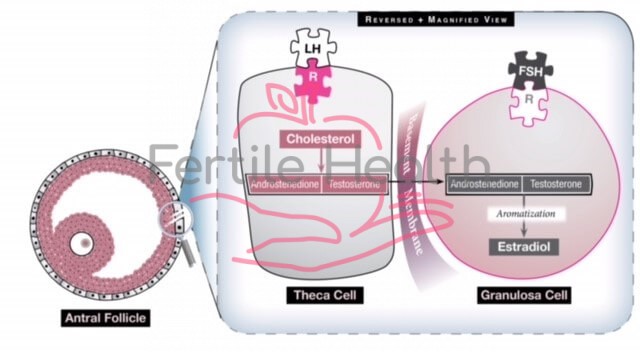
kampungbet
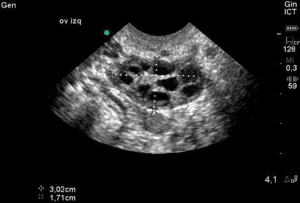
kampungbet

situs gacor